A Bathing Ape was “Actually a Big Mistake” for Nigo
The streetwear icon talks about his new Museum exhibition, his next Nike collab, and the beauty of getting it wrong
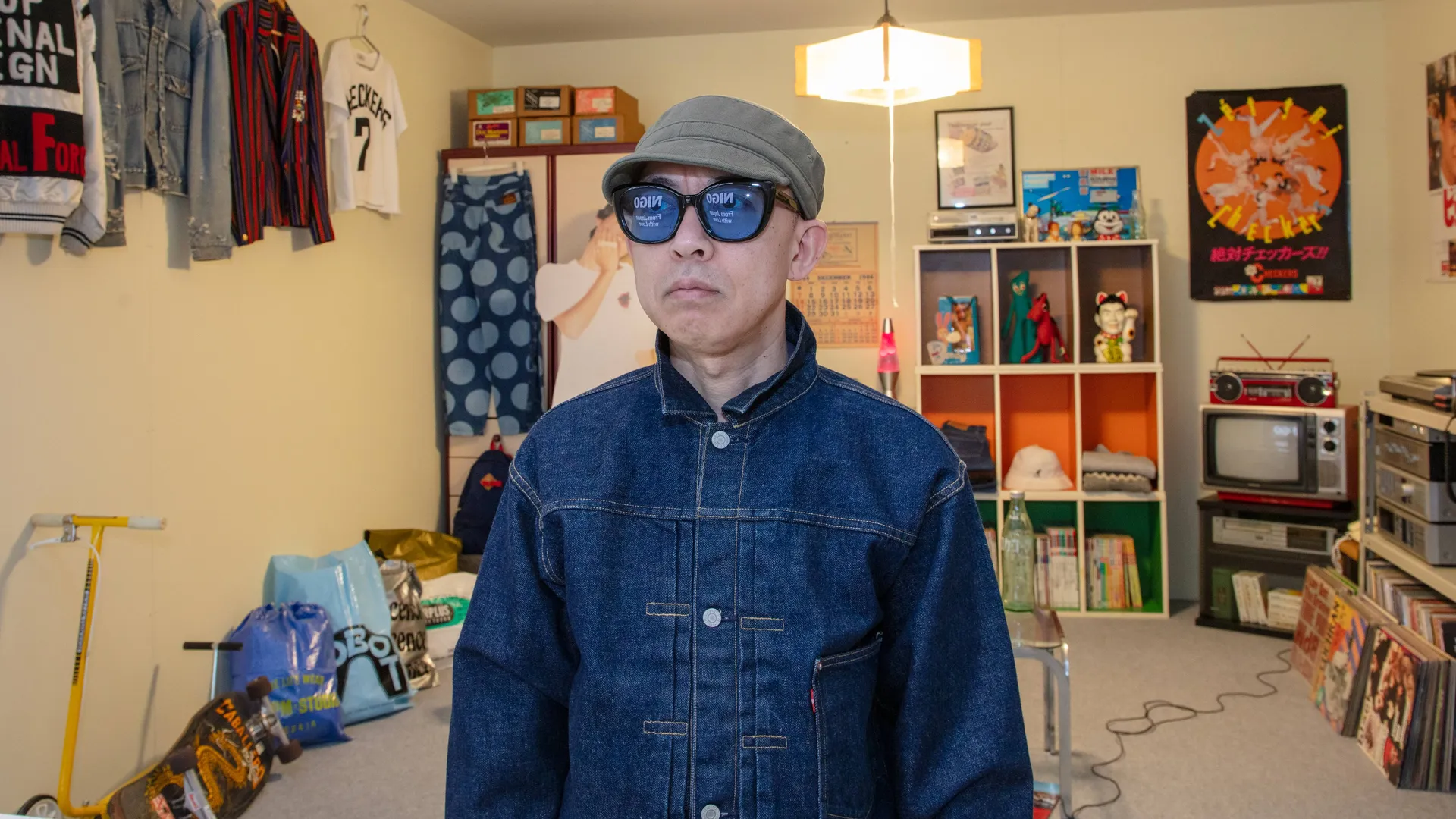
Nigo is one of the original architects of streetwear – not just part of the story, but someone who helped write its rules in the first place.
Long before “drops” and “hype” were words that meant anything, he was building a system out of a small corner of Tokyo. Back then, information moved slowly and taste was something you had to piece together yourself. From A Bathing Ape in the ’90s – a label that would go on to define an entire era – to Human Made, and now his role as artistic director at Kenzo, his career has stretched from subculture to global institution without ever settling into one lane.
“Back in the ’80s, I was a fashion kid in the Japanese countryside, and the only way I could get any information was through magazines,” he tells me.
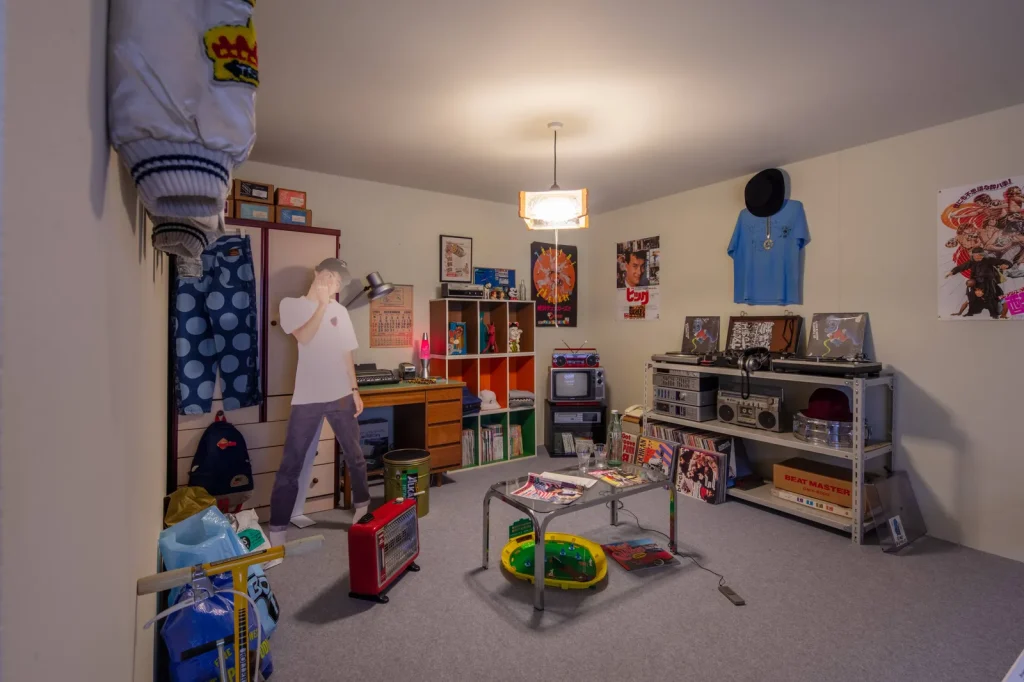
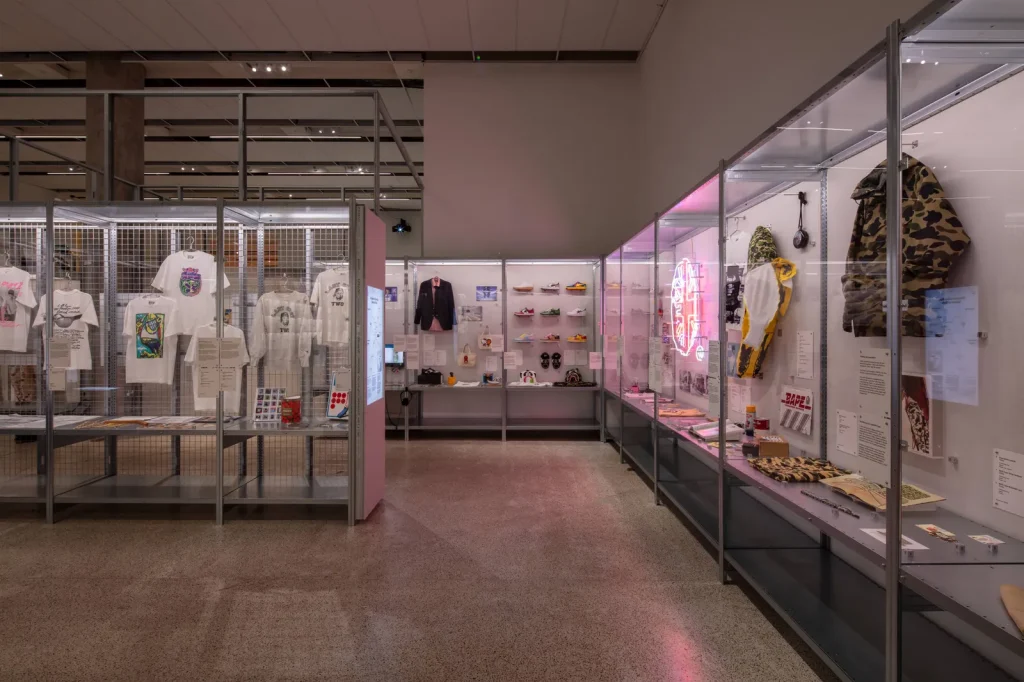
Now, he’s in London, about to open “Nigo: From Japan with Love” at the Design Museum – his first retrospective outside of Japan. It’s a big one, too: more than 700 objects spanning three decades, from early pieces and personal artefacts to recent work, including a straight-up reconstruction of the bedroom he had when he was a teenager. “I had everything out in my atelier and I picked from there.” Today, he’s wearing a military cap pulled low, a chore jacket, with a pair of thick-framed sunglasses on his face, complete with blue-tinted lenses. His arms are folded by default.
“When I look at the exhibition, I feel very different. It actually took me about a year to choose the items to exhibit.” Before almost every answer, he pauses – “sou desu ne,” (“let me see”) he says softly, buying himself a second to line things up. “It’s my life that’s on display, but it feels like I’m looking at someone else’s life, because you keep refining yourself as a person and the things that you’re interested in. Fundamentally, my style is the same, but my interests have changed.”
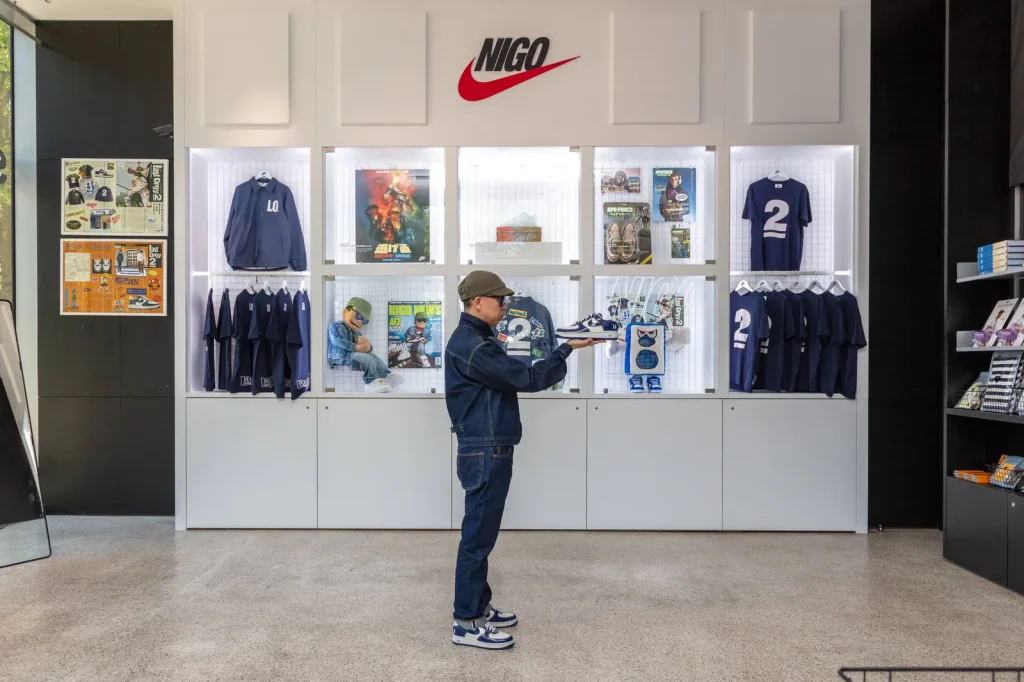
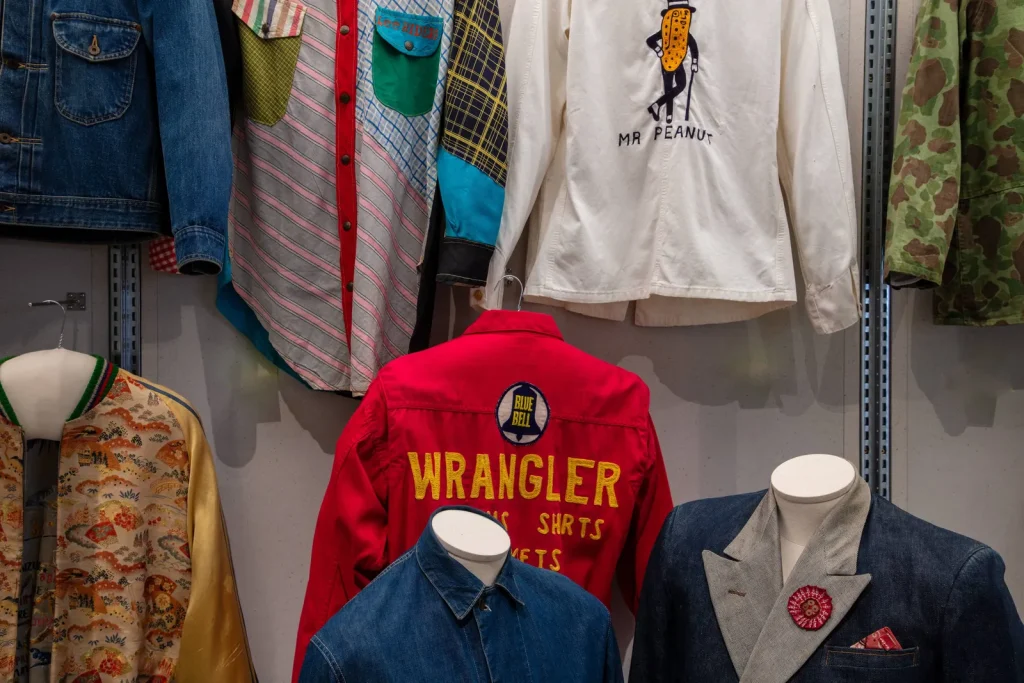
“Nigo: From Japan with Love” moves from early Harajuku, to the years building Bape into something far bigger than its original circle, and then into Human Made and Kenzo. There’s also a section that’s just about Japanese culture. But right in the middle of it all is something new: his long-awaited collab with Nike. The project, dubbed ‘LO2’ (a reference to the cult magazine column that he co-created with Jun Takahashi in the early ’90s), also marks his first-ever take on the mythical Air Force 1.
“I’ve always loved Nike,” he says. “There was a time when I was designing things that were inspired by Nike out of respect for them.” He smiles slightly, thinking back to his infamous Bape Sta that was almost too influenced by the AF1. “I think people will think, finally, finally, he’s made some Air Force 1s.”
That took a while. When his Nike partnership was first announced back in 2024, he opened with the Air Force 3 instead – a move that caught some sneakerheads off guard. “It’s because the Air Force 3 were the first ones that I wore myself,” he explains. “I have a history with them.”
The Air Force 1 comes later, tied back to something older. The LO2 reference isn’t just a design detail, it’s a way of looping back to where things started. “Because that was my early style,” he says. “And because the exhibition is going back to my roots, that seemed like a fitting reference.”
Which brings us, inevitably, to A Bathing Ape. For a lot of streetwear guys, it’s still the defining chapter. The brand that helped set the tone for everything that followed. But Nigo wants everyone to know something. “If you look on Instagram now, people think I still design for Bape,” he says. “But right now, I only do Human Made and Kenzo.”
“Looking back at my life, Bape was actually a big mistake,” he says. “But in a good way. Because if I hadn’t had that, then I wouldn’t have had Human Made. I wouldn’t have been able to enjoy my life as I do.”
To explain it, he reaches for a legend about Tokugawa Ieyasu, the founder of the Tokugawa Shogunate, the final and longest-ruling shogun dynasty in Japanese history. Ieyasu lost a major battle early in his life, then commissioned a portrait of himself in defeat and kept it close – a reminder not to repeat the same mistakes. There’s a similar image of Nigo in the exhibition.
“He always displayed that painting in his room,” Nigo says. “To remind him never to make that mistake again. And this picture of me in the exhibition is similar to that.”
A few minutes pass, and he circles back. “Maybe not so much a mistake,” he says, correcting himself. “Maybe more as a battle that I lost. Because I ended up having to sell the company. Otherwise, I could have still been running it.”
At the end of our chat, I ask him one final question: what advice would he give to someone trying to follow the same path now? He looks up and rubs his chin. After a few seconds, he has an answer. “Well, I think they should look at the exhibition,” he says. “And then do something completely different.”